Why Recovery Deserves a Real Routine
Training, standing all day, staring at screens, sleeping badly — modern life asks a lot of your body. Recovery is not a luxury reserved for athletes; it is the process that lets muscle tissue repair, circulation improve, and your nervous system calm down. Three technologies do most of the heavy lifting: percussive therapy (rapid, targeted pulses from a device like a Theragun), compression (sequenced pressure that moves fluid through the limbs), and light and thermal therapy (LED, heat, and cold applied to skin and tissue).
Understanding what each does makes it far easier to buy the right tool — and to actually use it consistently.
Match the Tool to the Goal
Theragun: percussive therapy for muscles
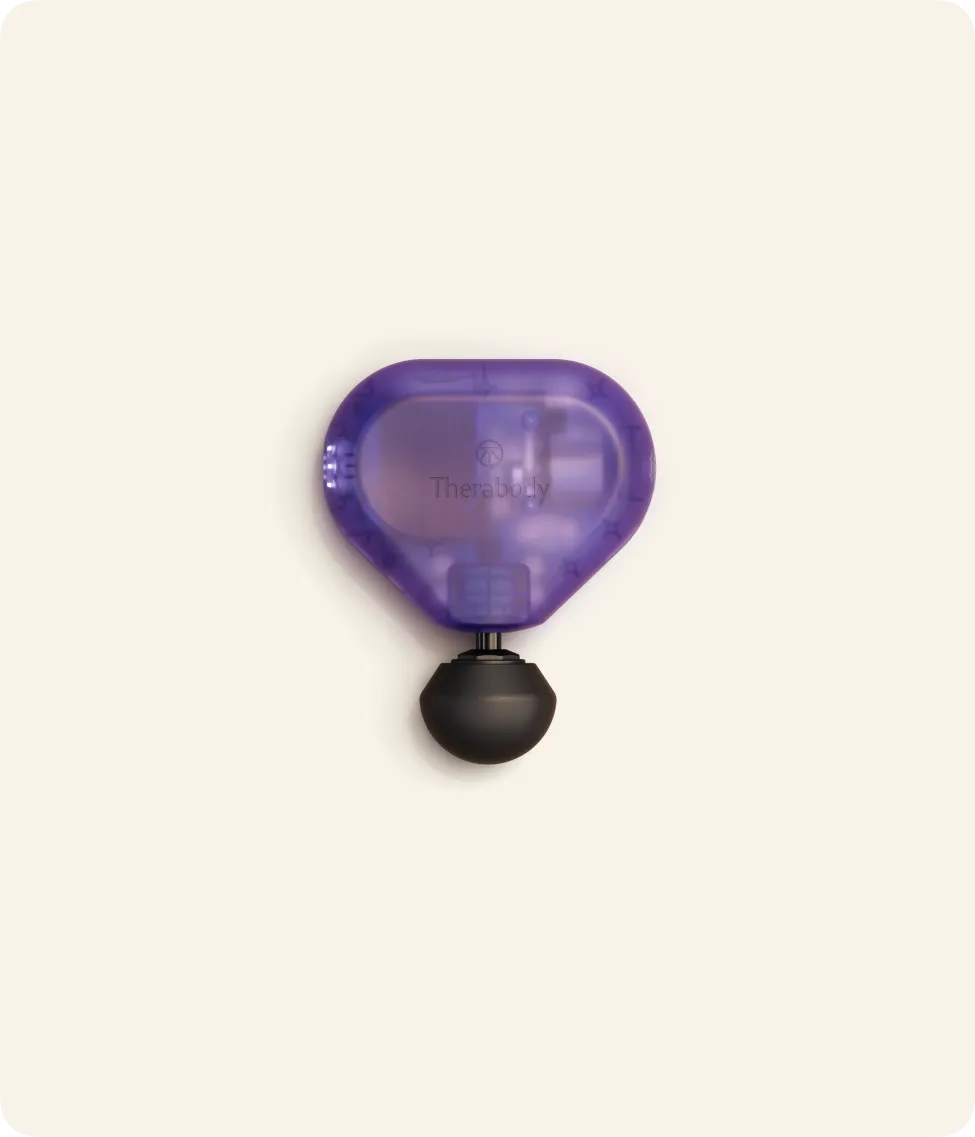
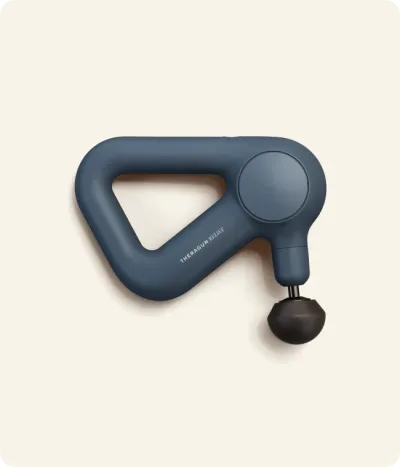
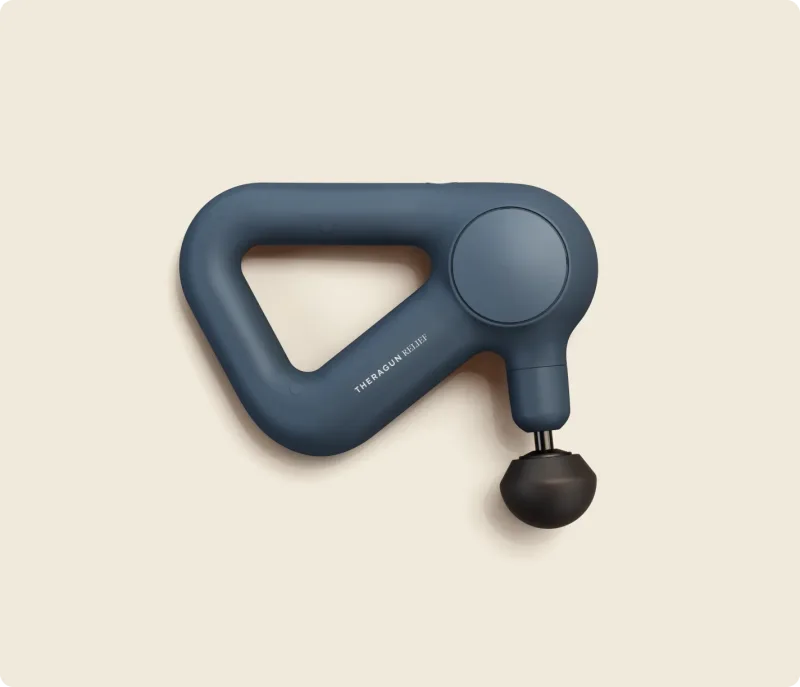
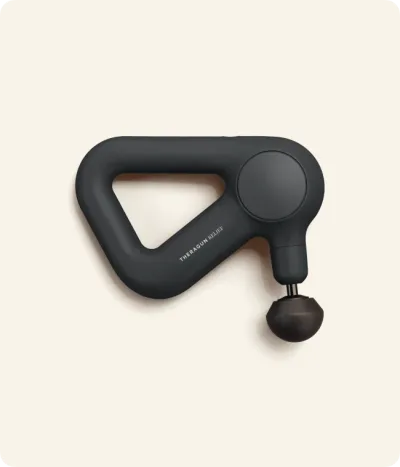
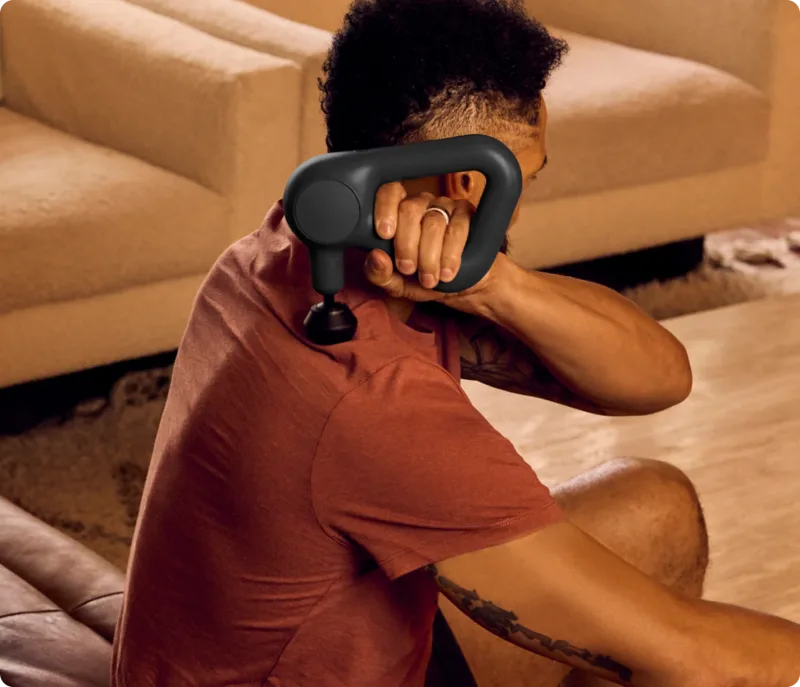
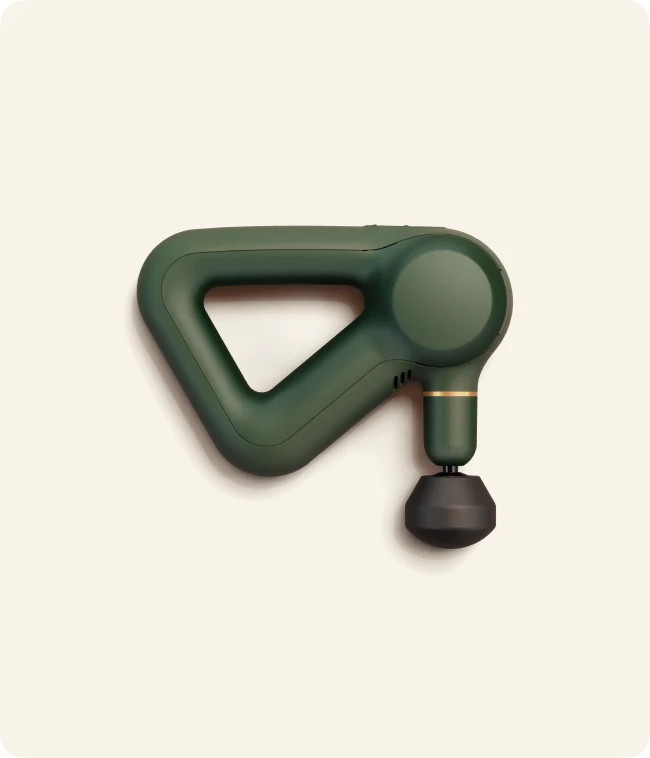
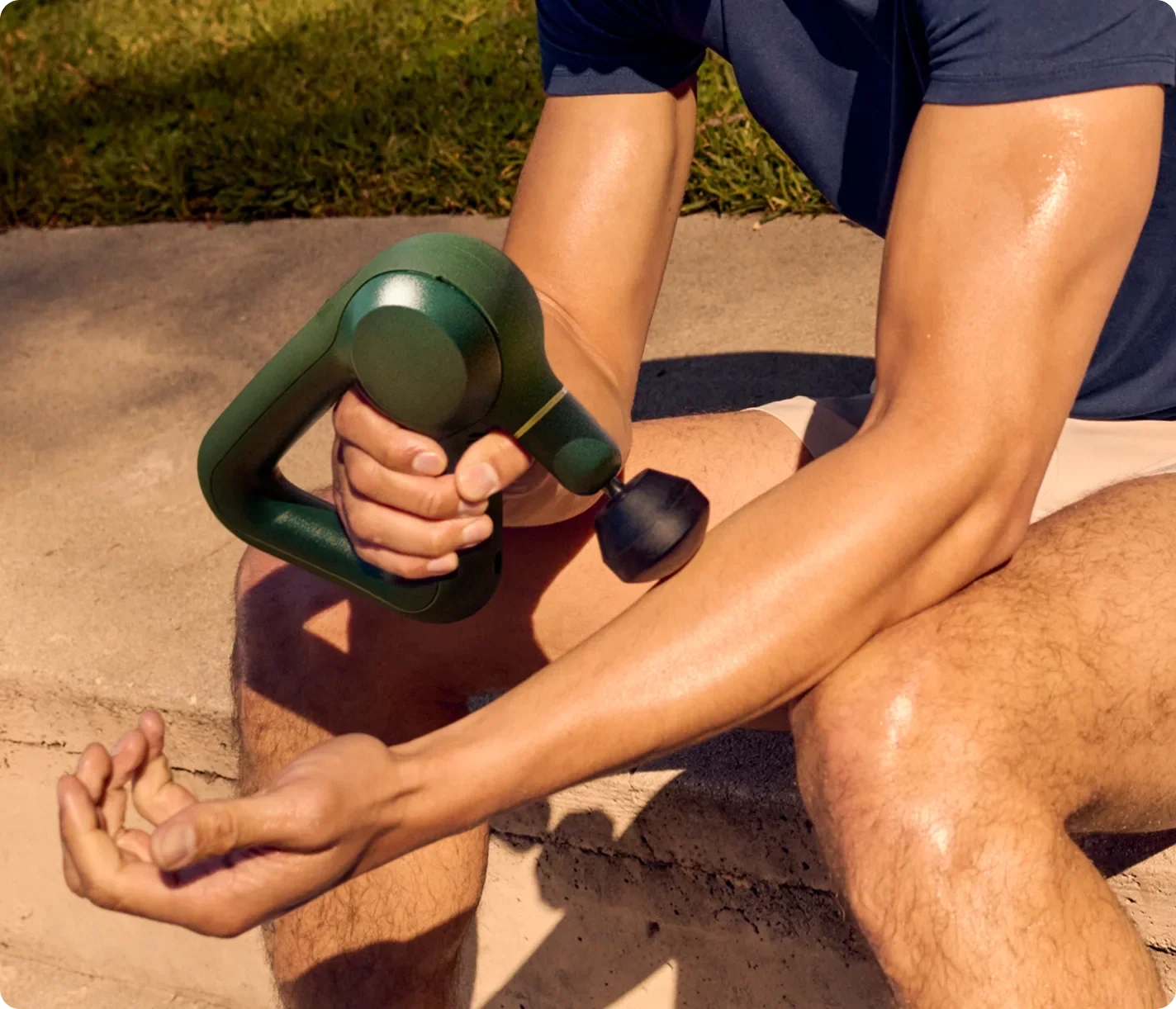
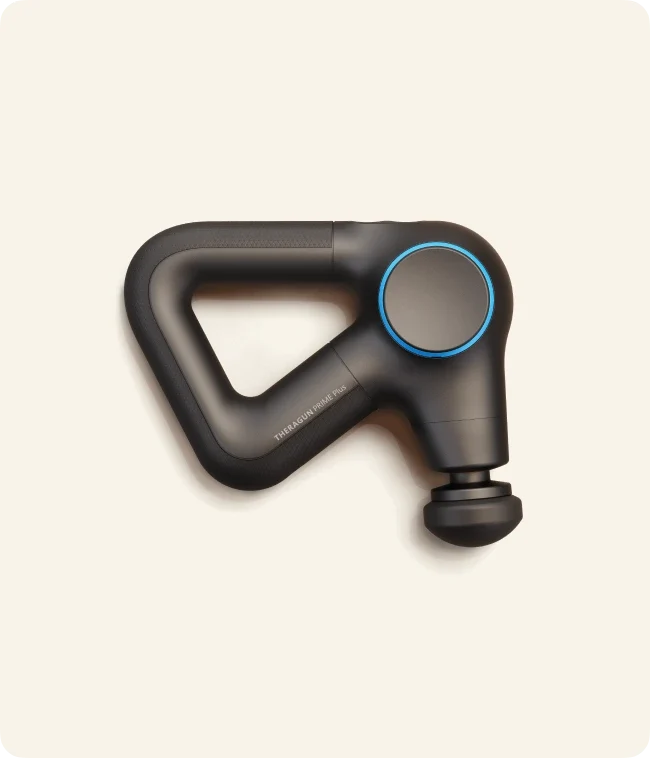
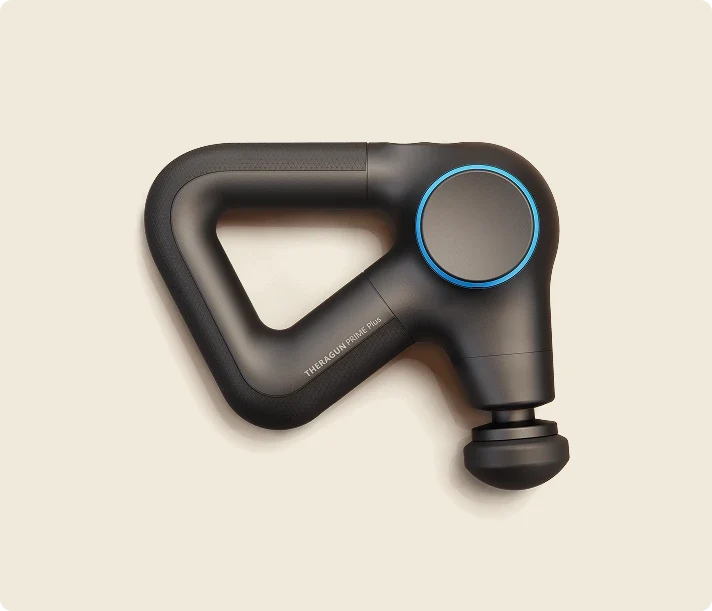
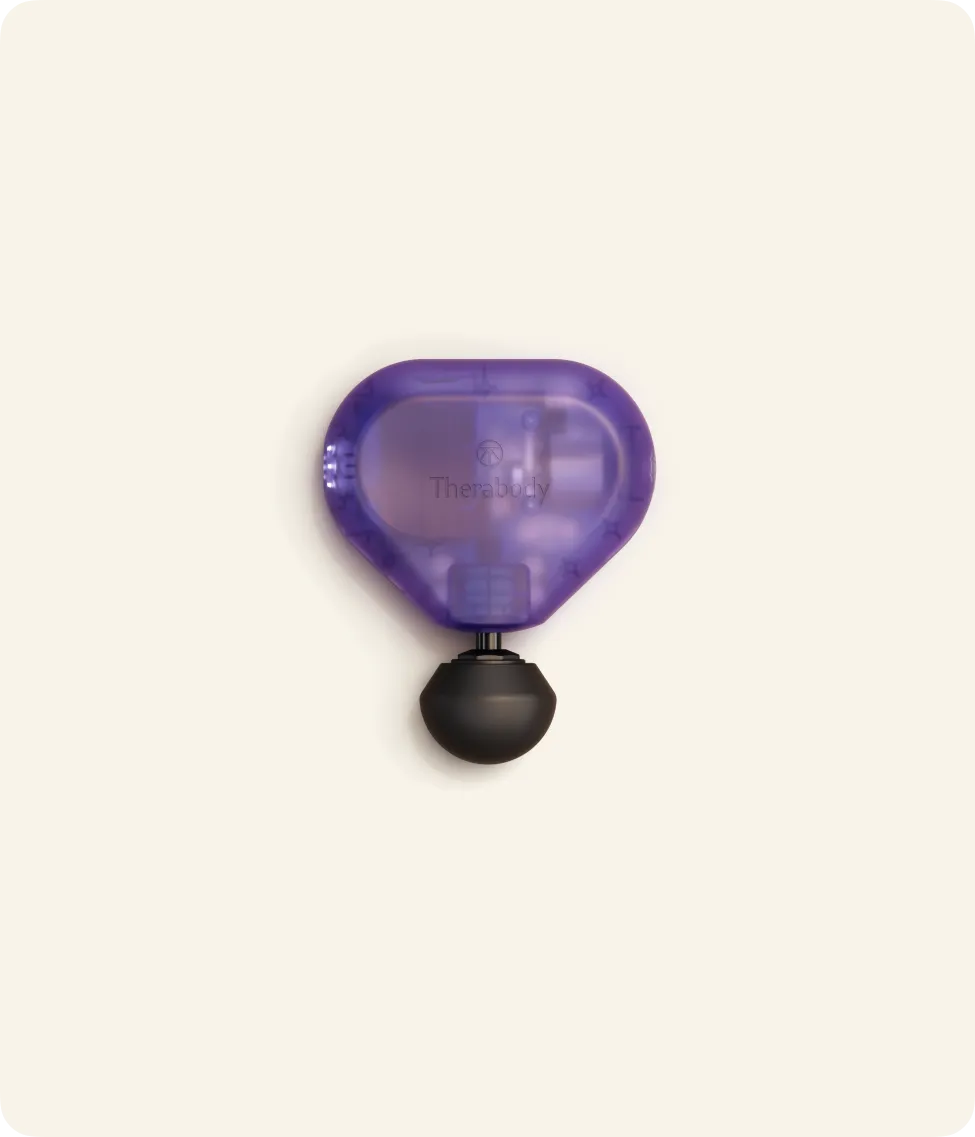
Theragun devices deliver percussive therapy to specific muscle groups. Use them before activity to wake tissue up and after activity to reduce the feeling of tightness. A full-size model suits larger areas like quads and back, while the compact Theragun Mini travels easily and works well for shoulders, calves, and feet. If you want a simple, approachable starting point, the Theragun Relief is built for everyday use.
TheraFace: recovery for face, jaw, and head
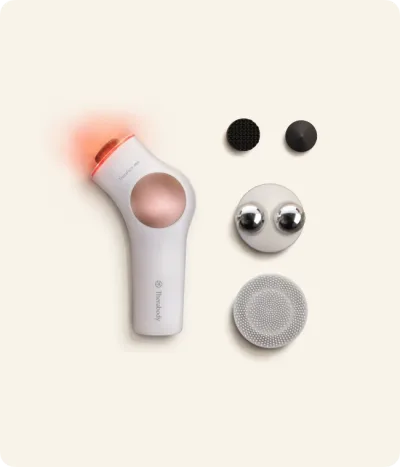
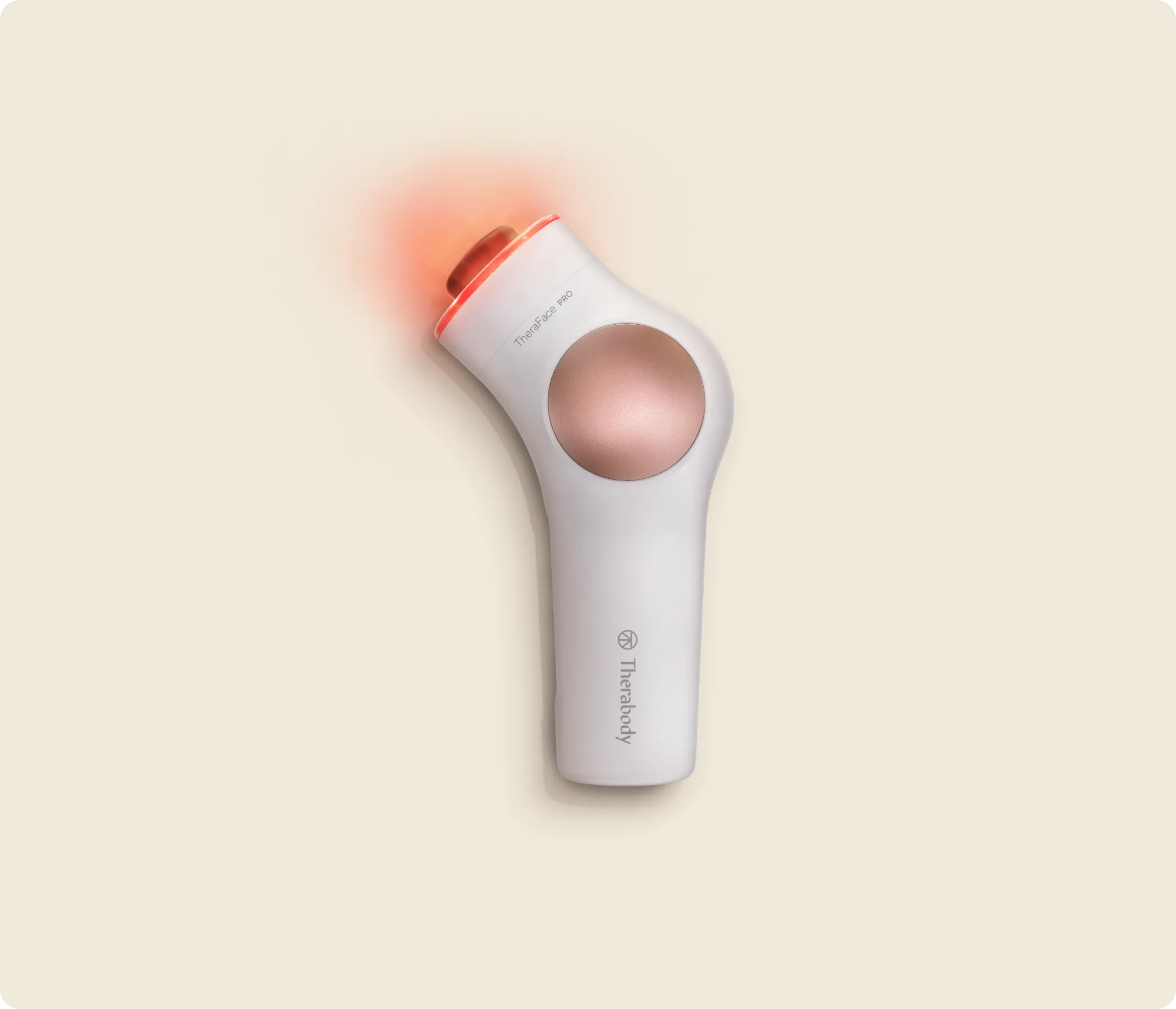
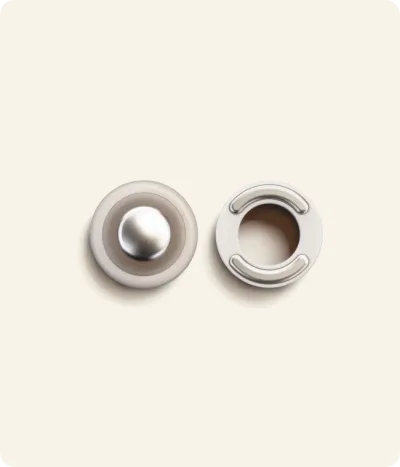
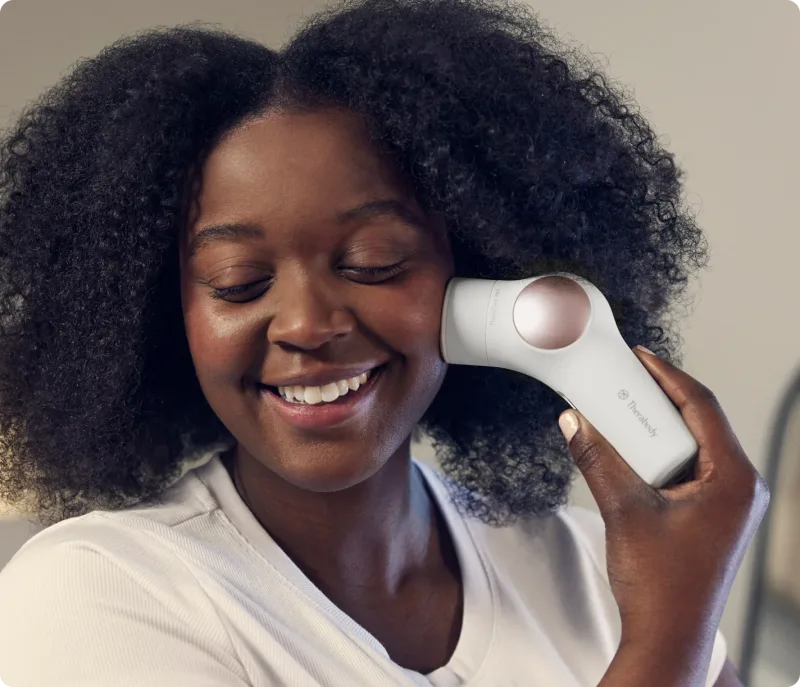
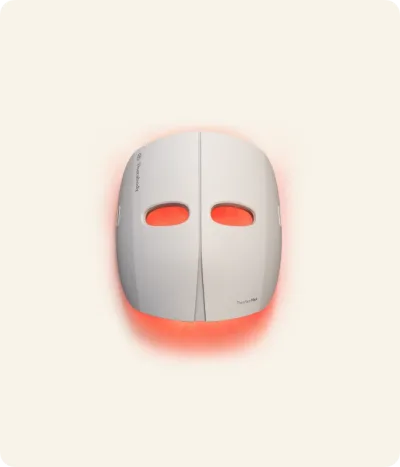
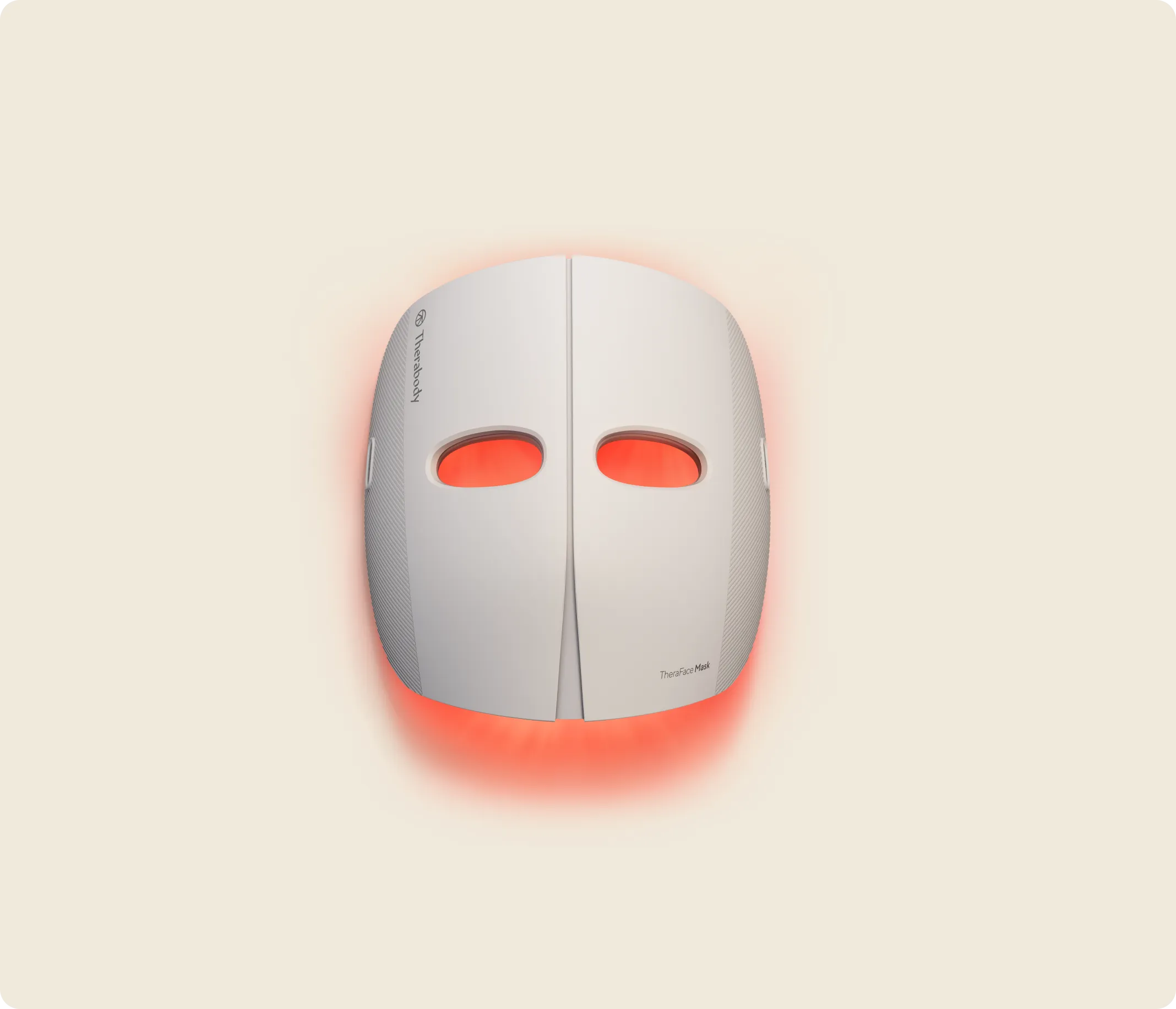
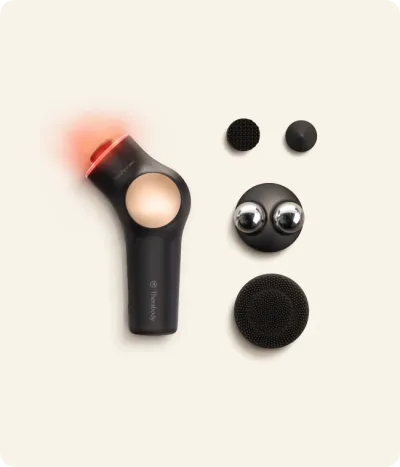
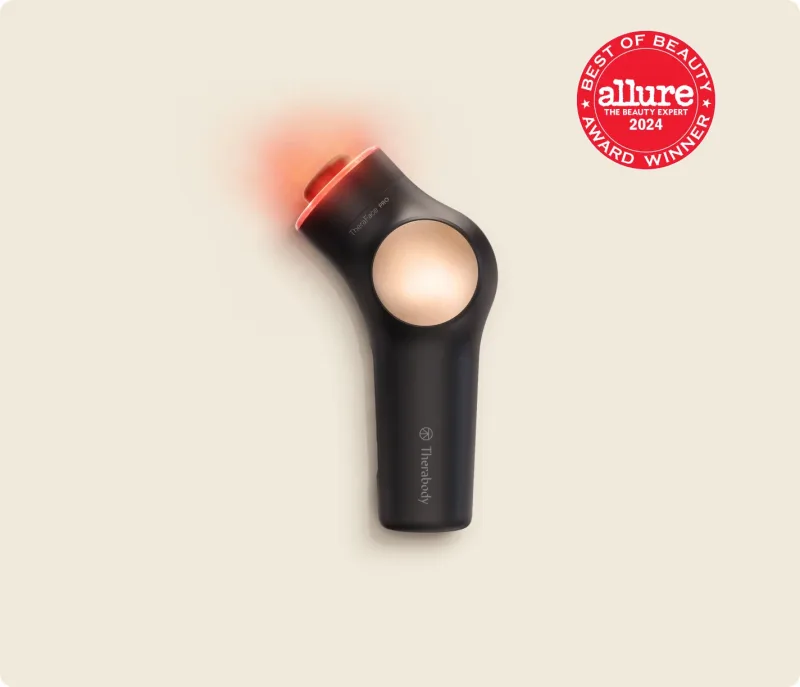
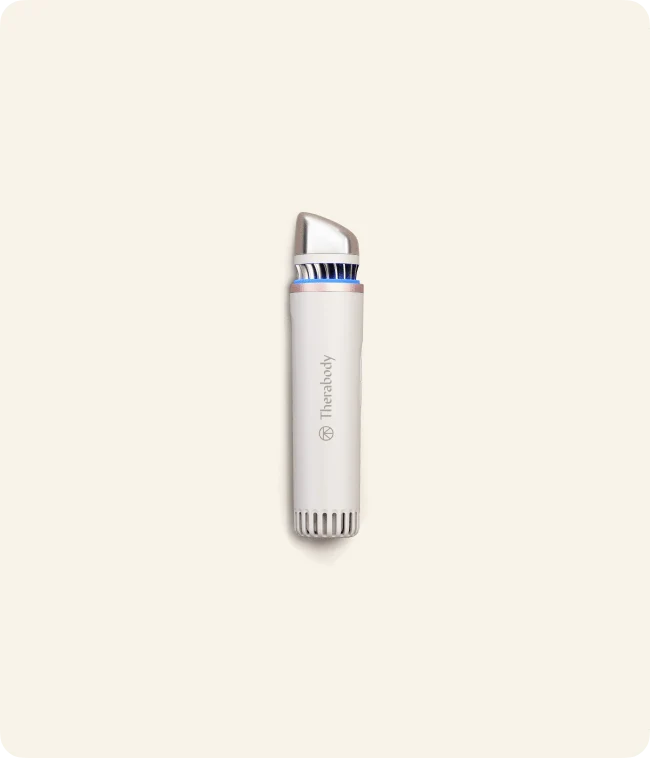
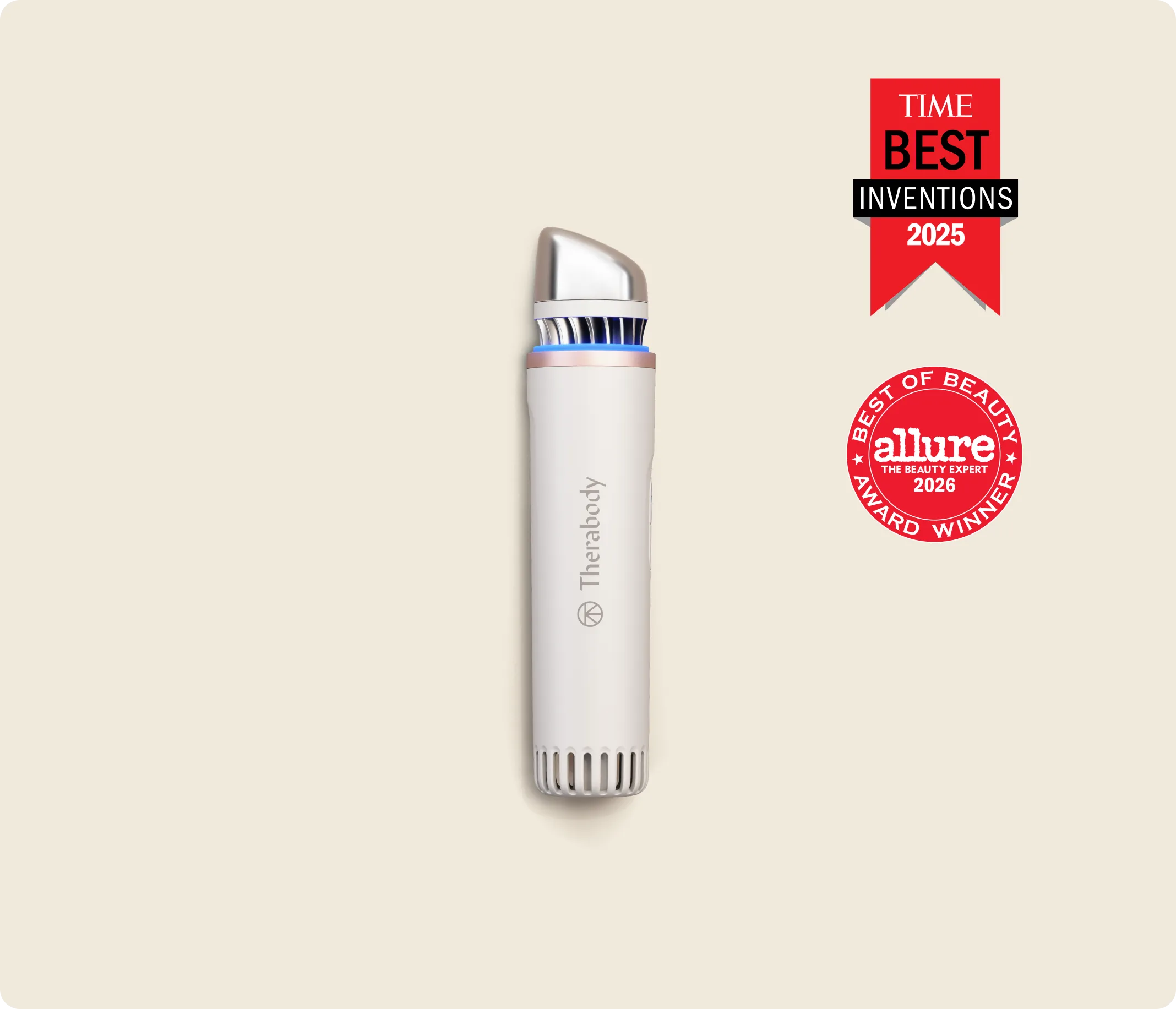
TheraFace tools extend the same principle to the face and scalp. The TheraFace PRO combines percussive facial massage with other treatment rings, which makes it useful for jaw tension, puffiness, and general relaxation. Pair it with the TheraFace Hot and Cold Rings to alternate warming and cooling, or add the TheraFace Mask for a hands-free LED session in the evening.
RecoveryAir and RecoveryPulse: compression
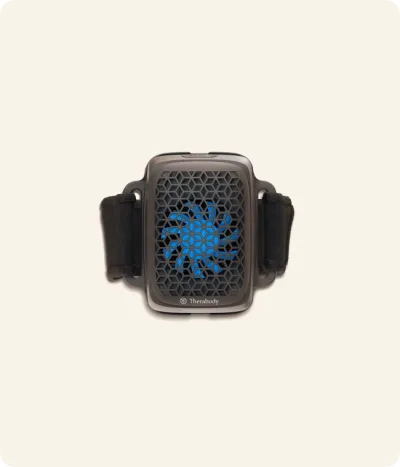
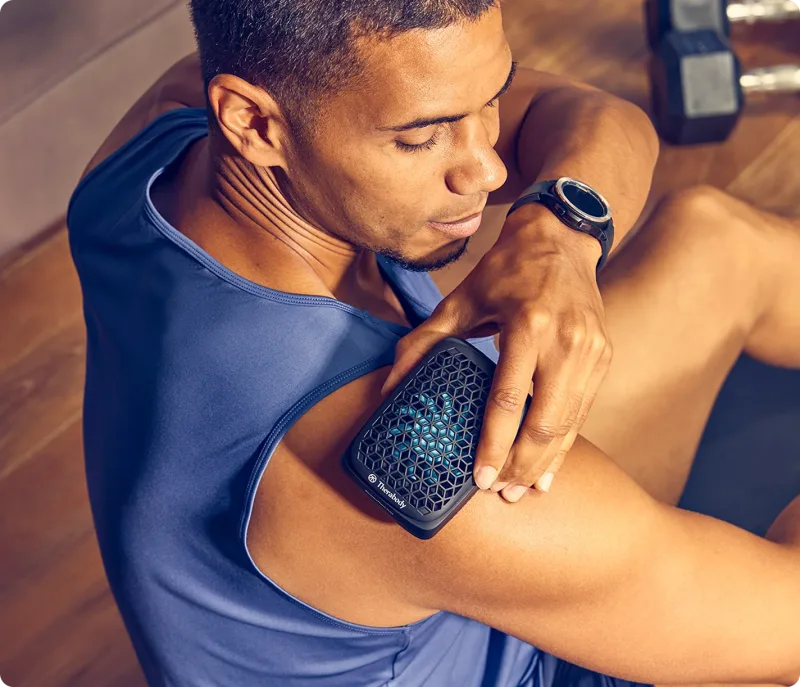
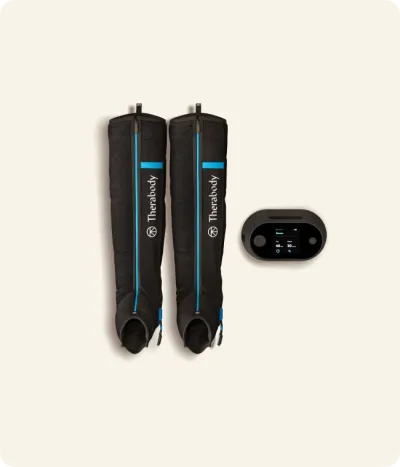
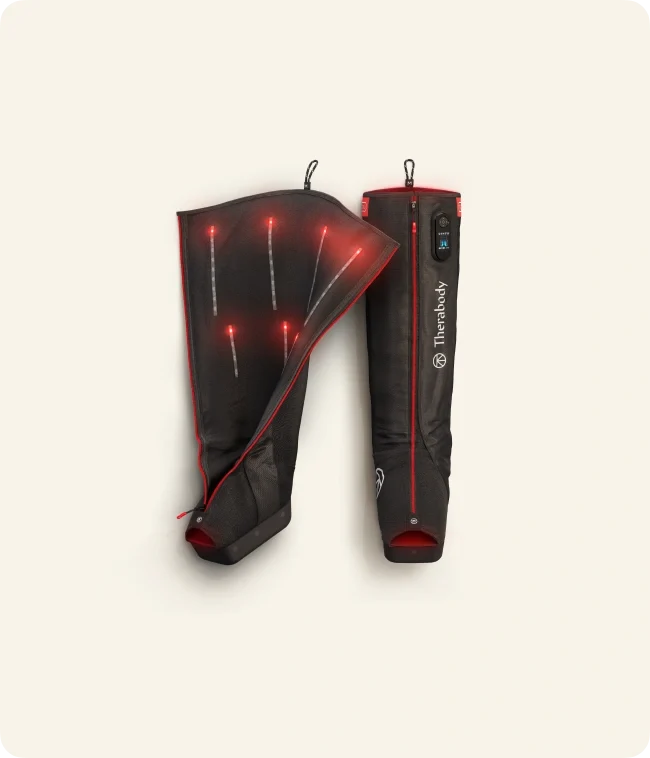
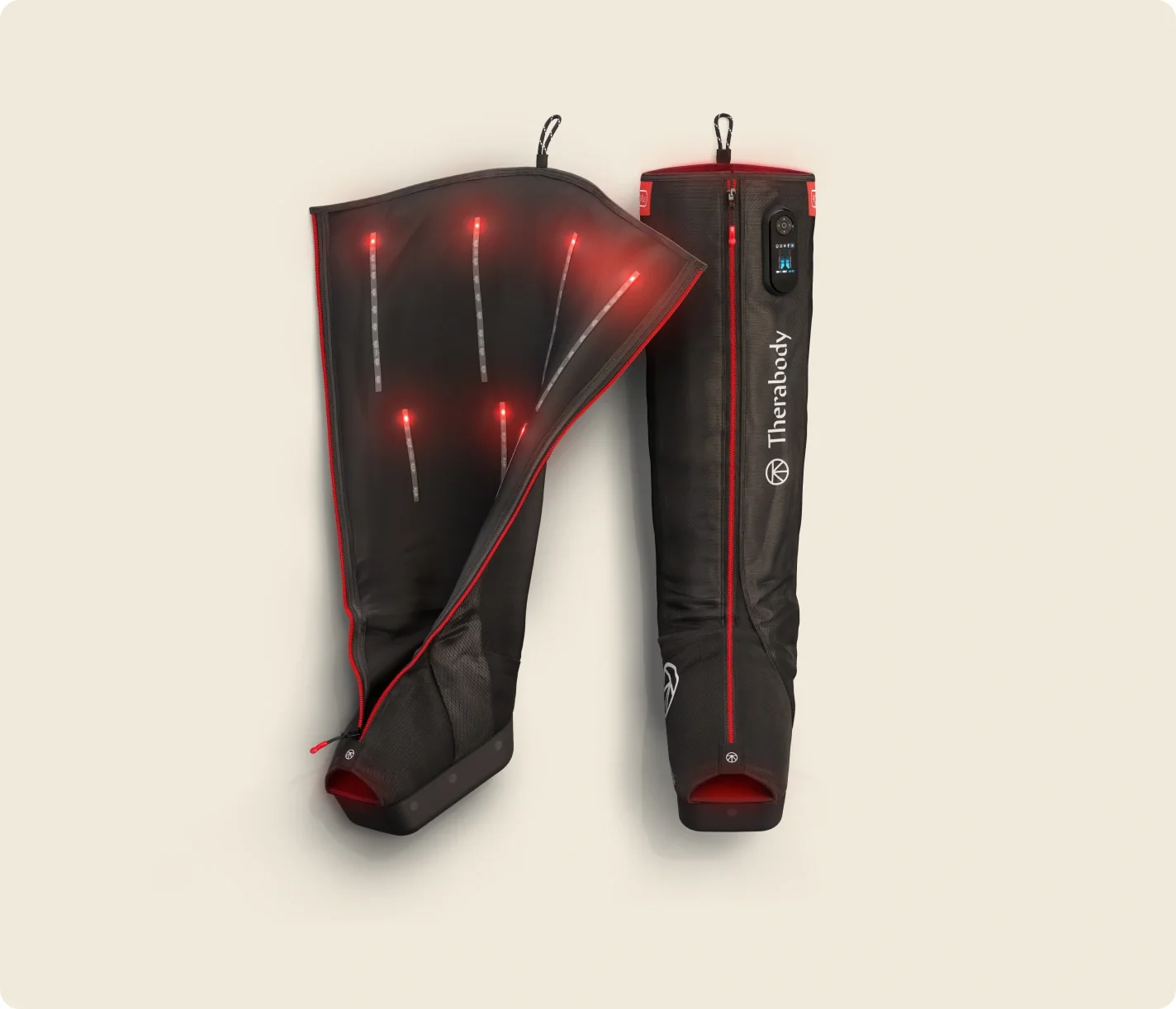
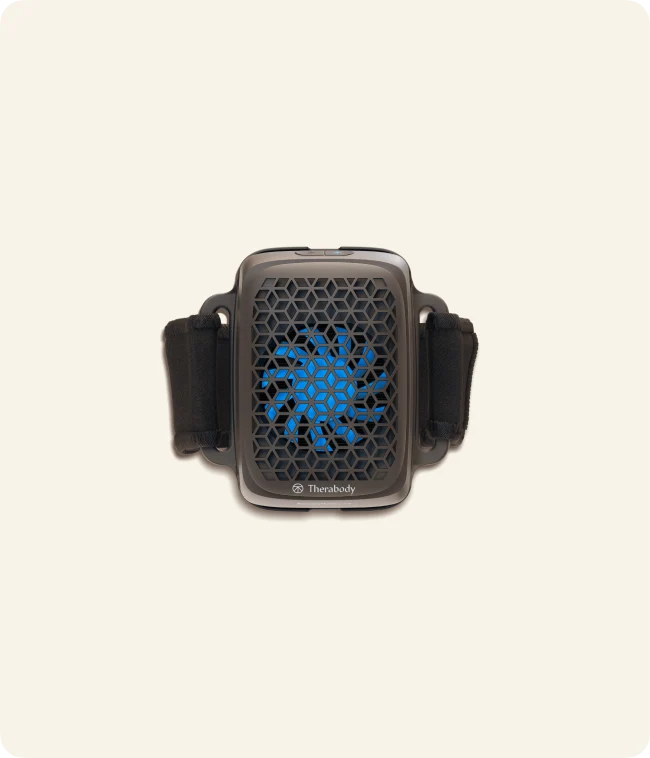
Compression systems inflate and deflate chambers in a sequence that mimics the natural flow of circulation. RecoveryAir is the full-leg option and a strong choice after long runs or heavy leg days. RecoveryPulse offers a smaller, wearable format for a single limb, which is handy if you want to treat one area while you work or read.
WaveSeries and thermal tools
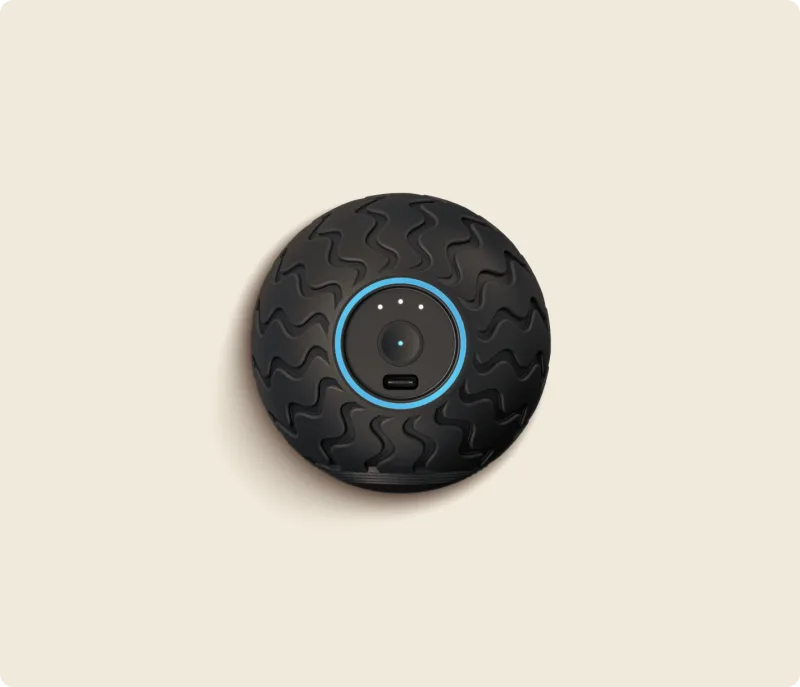
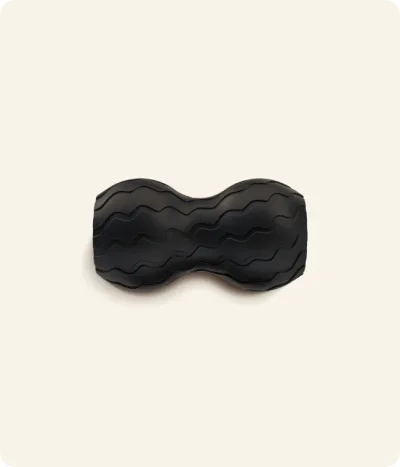
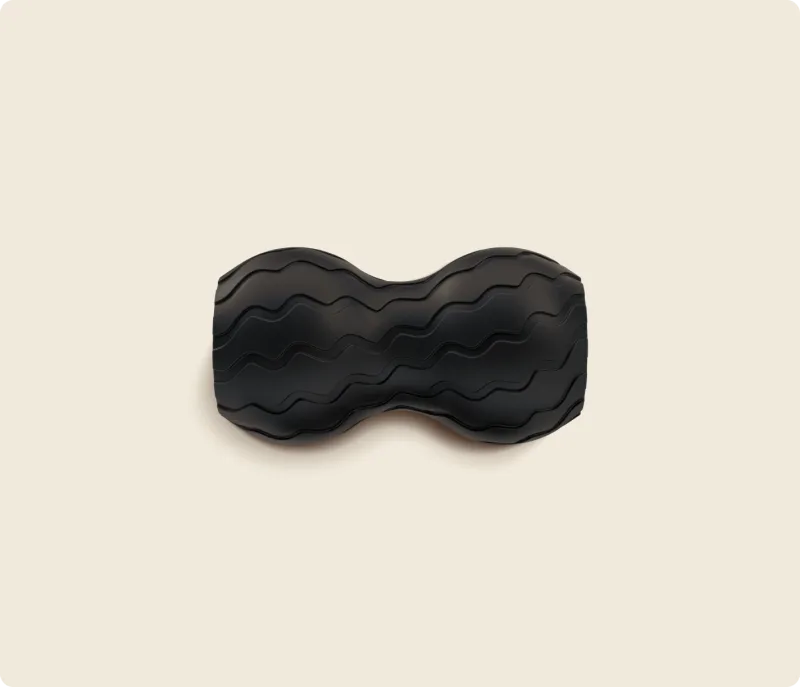
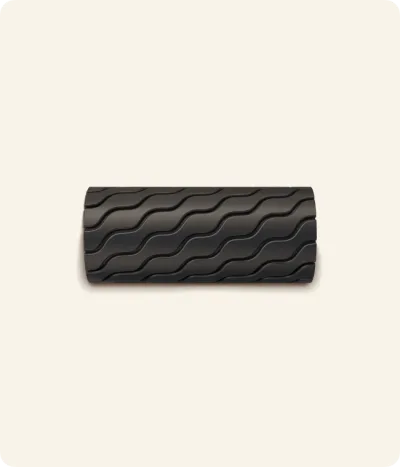
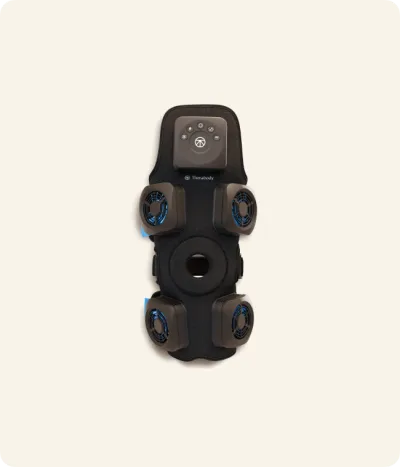
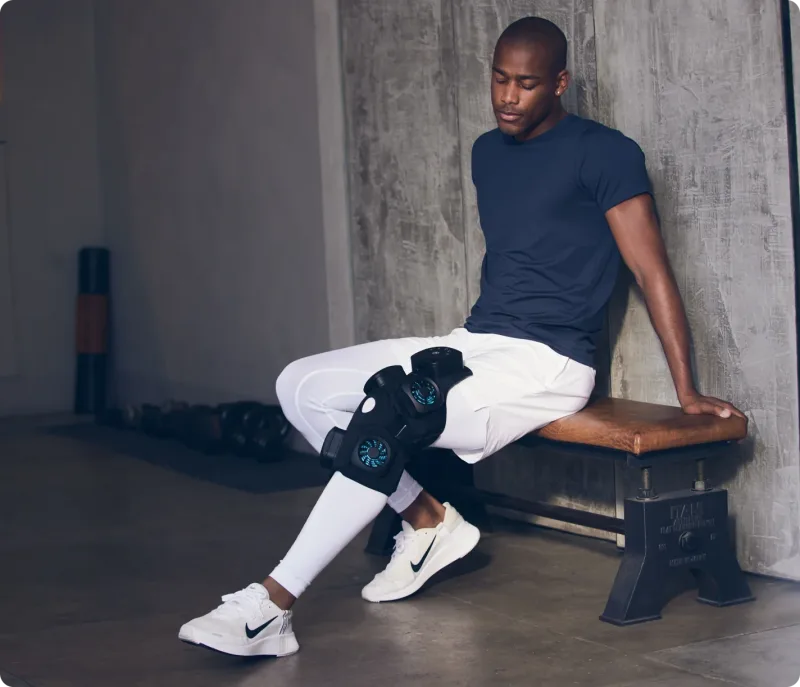
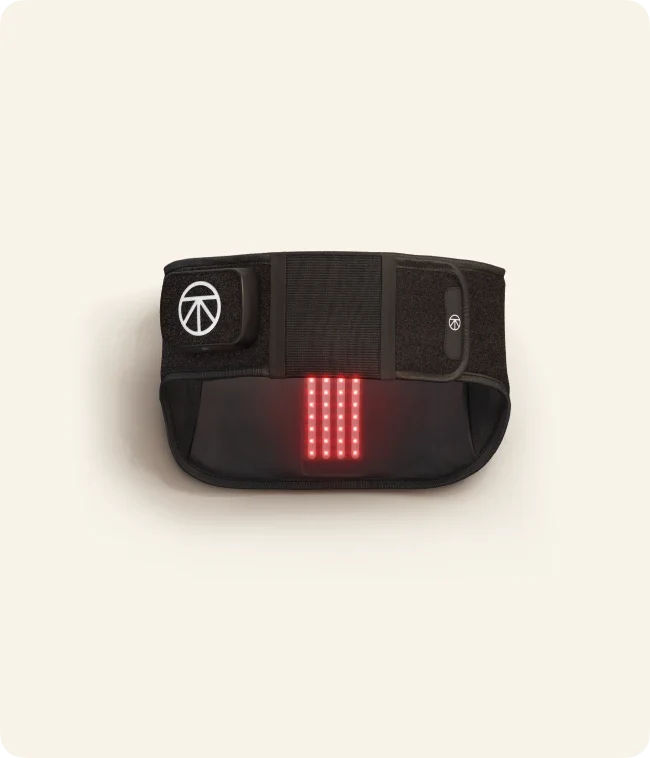
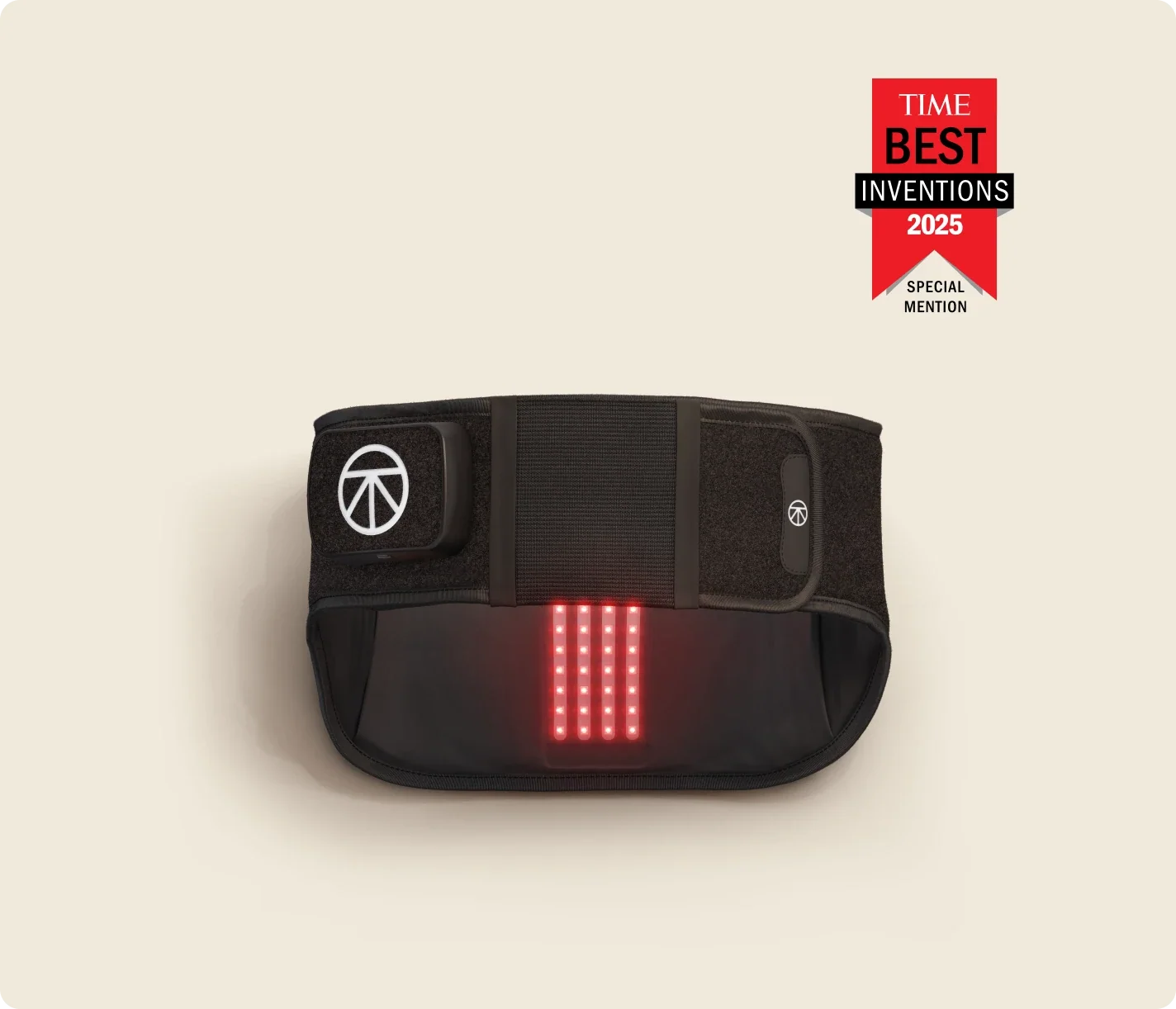
For rolling and vibration, the WaveSeries covers different body sizes: WaveSolo for arms and calves, WaveDuo for hamstrings and quads, and WaveRoller for broader back and leg work. Thermal devices such as the RecoveryTherm Cube and RecoveryTherm Knee add heat or cold where a joint needs it, while the ThermBack LED targets the lower back with light and warmth — a common trouble spot for desk workers.
Attachments 101
Attachments change how a device feels and where it is appropriate. Two are worth understanding first:
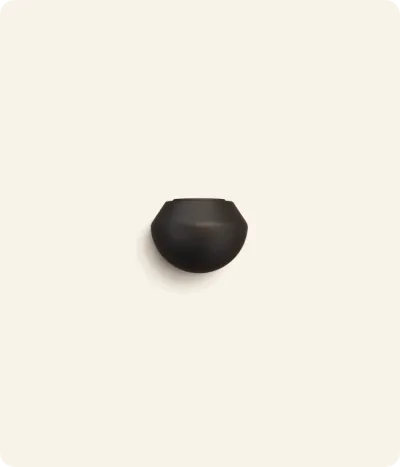
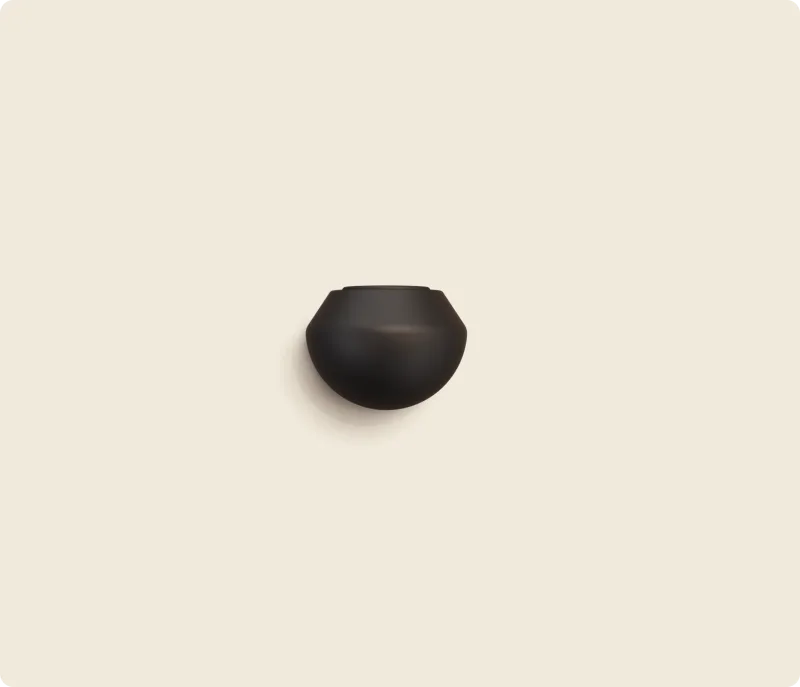
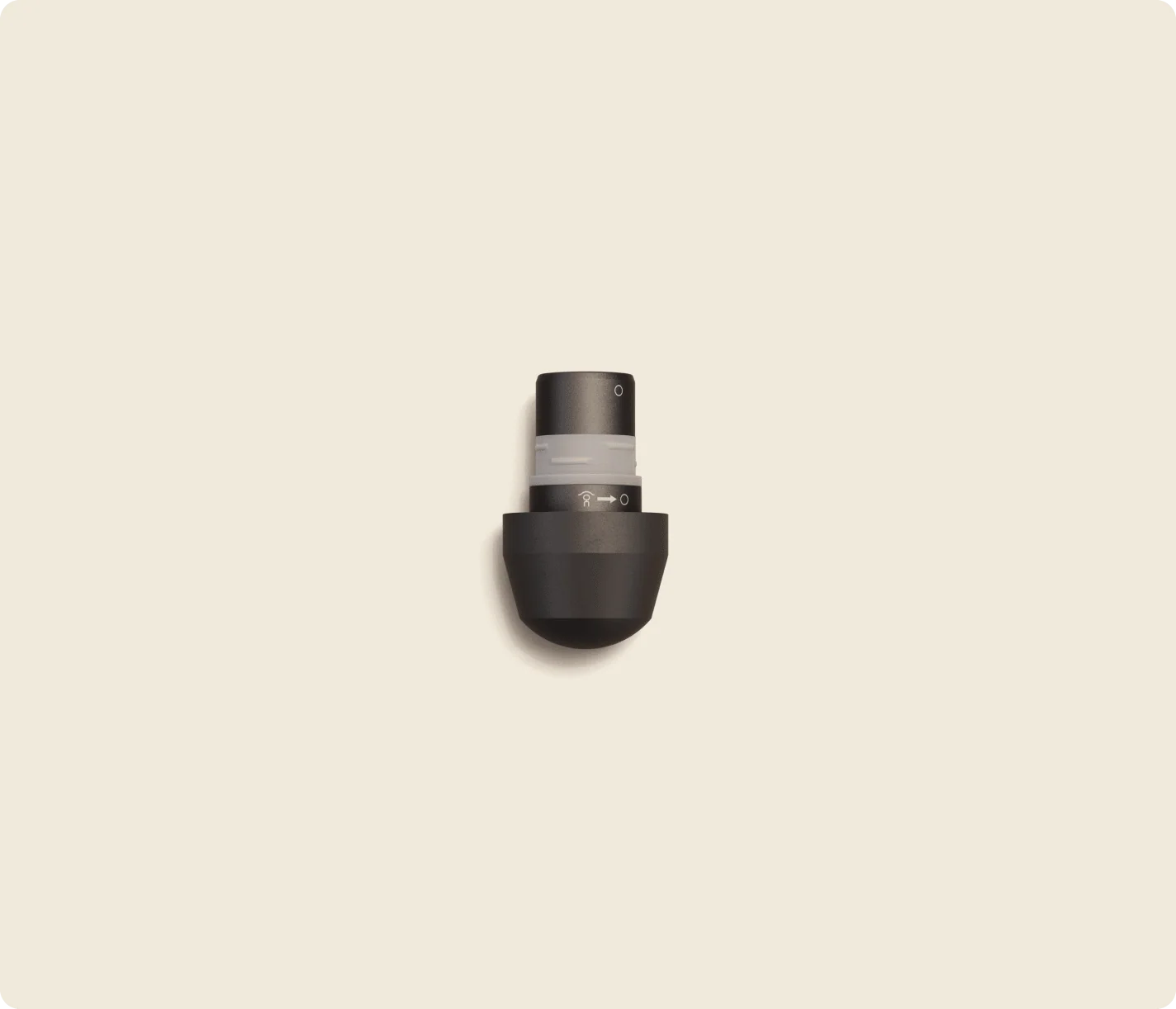
- Dampener Attachment — a soft, rounded head for sensitive or bony areas such as the spine, shins, and ribs. Start here if you are new to percussive therapy.
- Vibration Plus Attachment — designed for lighter, higher-frequency contact, useful on the face, neck, and other delicate zones.
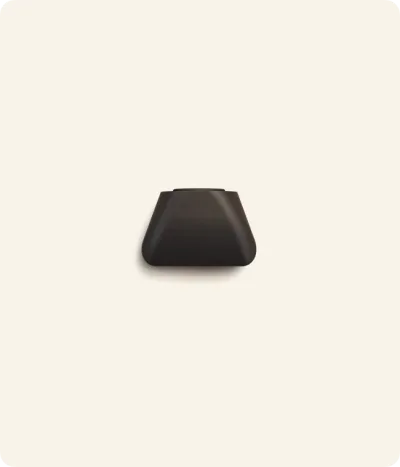
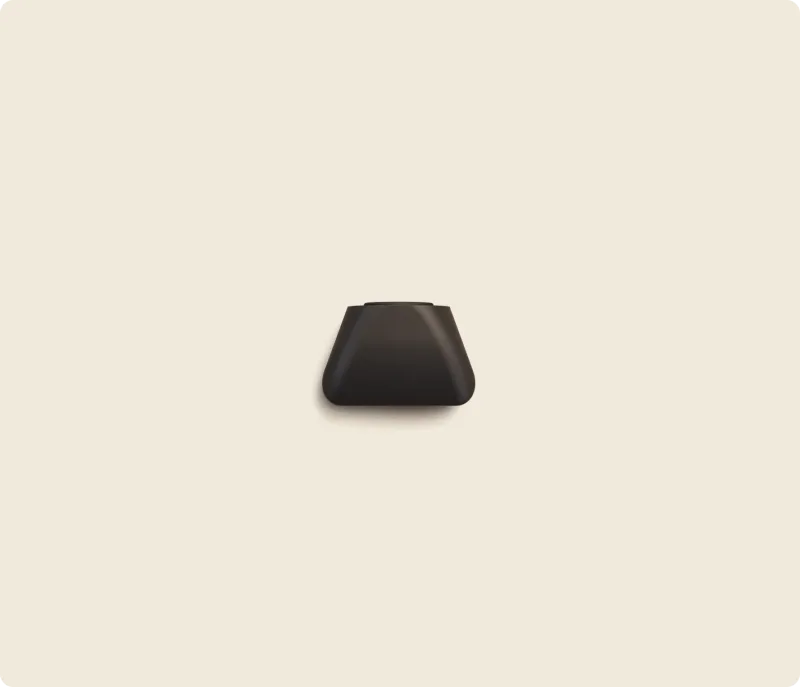
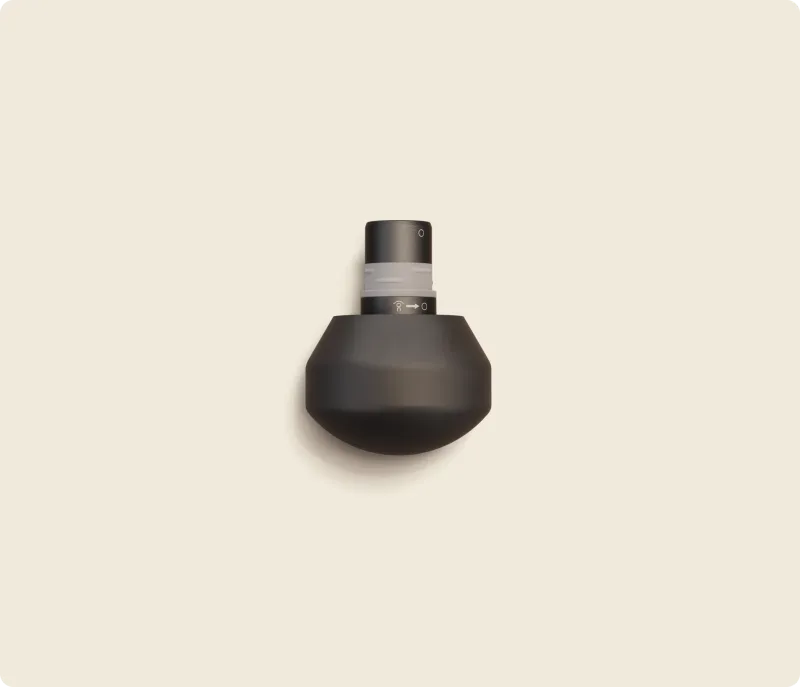
Beyond those, the Standard Ball Attachment is the all-purpose default for large muscle groups, the Wedge Attachment fits along the shoulder blades and IT band, and the Thumb Plus Attachment reaches trigger points around the feet and hands. The Dampener Plus Attachment is a good upgrade if you want a slightly firmer dampened feel.
Bundles vs Single Devices
A single device solves one problem well. A bundle solves a routine.
- Prime Recovery Bundle — a sensible core setup if you want percussive therapy plus supporting recovery tools in one purchase.
- Relief & Relaxation Bundle — aimed at people whose main complaint is daily tension rather than hard training loads.
- Beauty Sleep Bundle — combines facial and relaxation-oriented tools for evening wind-down and skin-focused care.
If you already own a Theragun, buying a single complementary device — a compression sleeve, a thermal wrap, or a facial tool — usually makes more sense than duplicating what you have.
Refurbished Options: What to Know
Refurbished devices are professionally restored and offered at a lower cost than new units, which makes them a practical way to build out a routine or try a category for the first time. Availability varies, so check the product page for current details.
- Theragun Relief Refurbished — an entry point into percussive therapy.
- Theragun Prime Refurbished and Theragun Prime Plus Refurbished — step up in power and features.
- RecoveryAir PRO Refurbished — full-leg compression for serious recovery days.
- TheraFace PRO Refurbished and TheraFace Depuffing Wand Refurbished — facial recovery at a friendlier price.
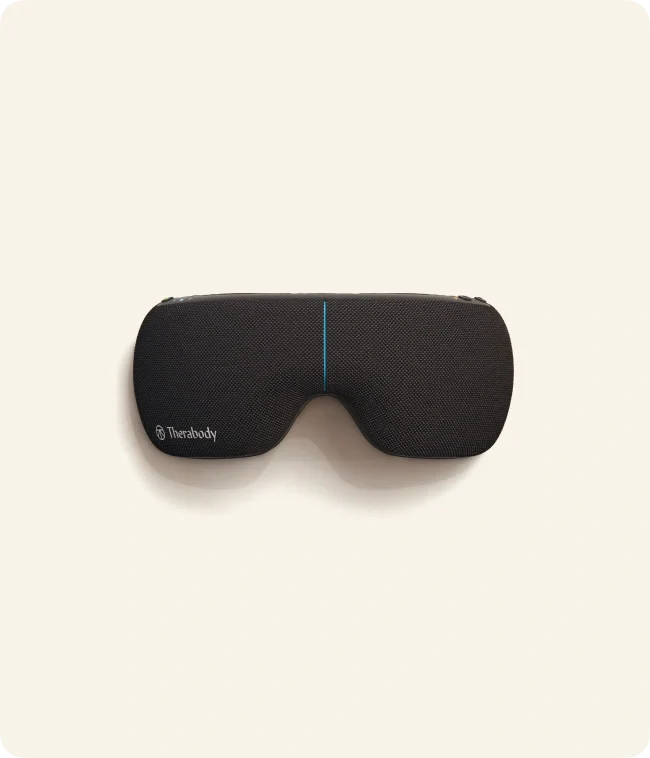
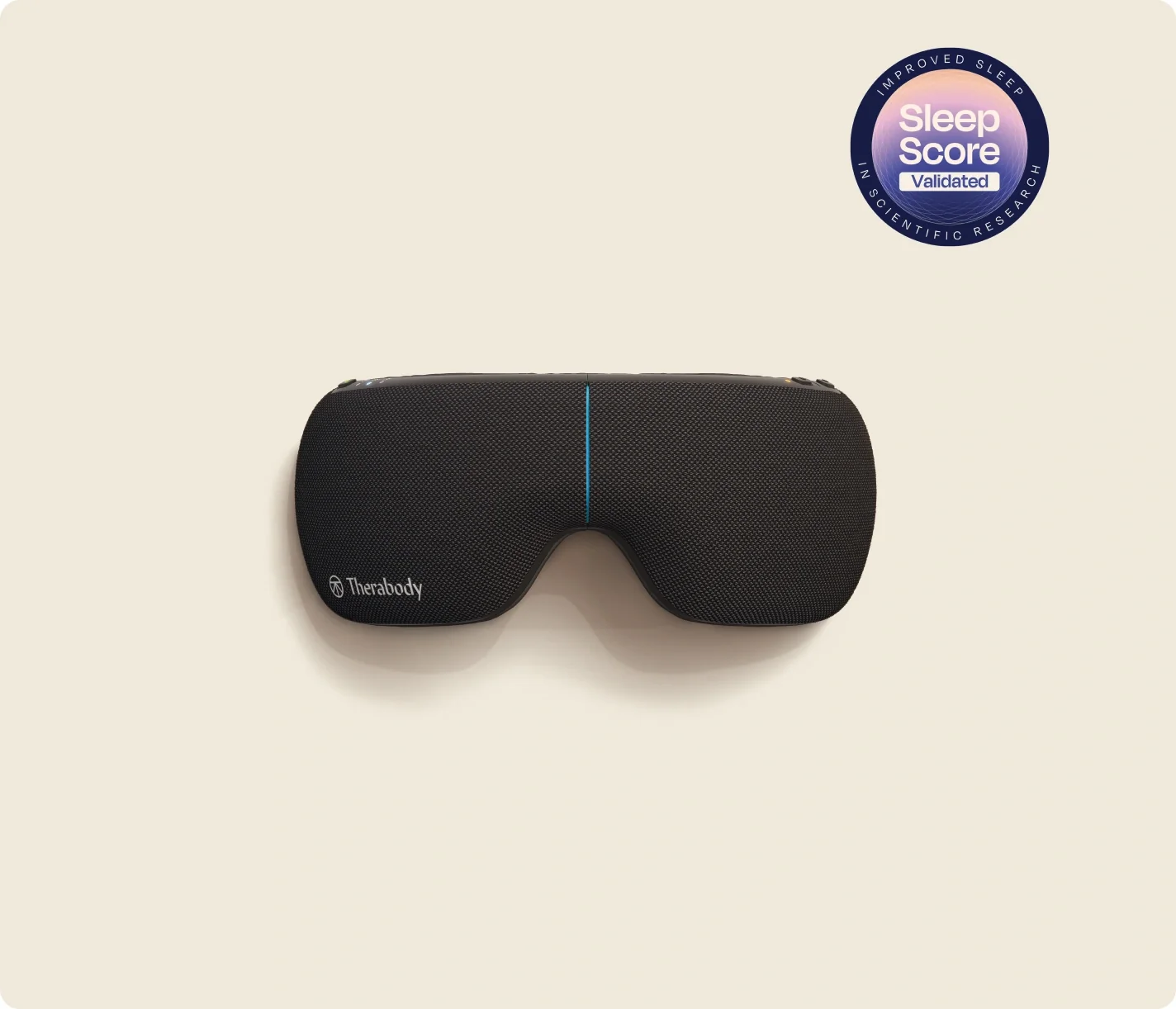
- JetBoots PRO Plus Refurbished and SmartGoggles Refurbished — compression boots and eye-area relaxation.
Putting It Together
A workable weekly routine looks like this: a short percussive session before training, a longer one after; compression in the evening on your hardest days; a facial or LED session while you wind down; and thermal treatment on any joint that feels stiff in the morning. Start with one device, use it consistently for a few weeks, then add the next piece. That is how recovery stops being an afterthought and becomes part of how you train and live.